There are a number of social and cultural reasons why incarceration impacts women in Uganda differently than in the U.S.. First of all, a high percentage of Ugandan women are illiterate or semi-illiterate. These rates are significantly higher for women than for men, so women are not as equipped to handle their own legal representation or understand the charges being brought against them.
In Uganda we view women as saints, they’re supposed to be ” holy.” So a Ugandan woman who is incarcerated has broken a major element of cultural expectation. Upon release from prison, women face significant social discrimination.
Finally, it is not uncommon for a woman’s husband to remarry while she is incarcerated. Since a Ugandan woman cannot return to her parents, this essentially displaces her from the life she had known. When a woman gets married in Uganda, it’s like she has forfeited her position in her biological family…She’s not expected to come back to her parents’ home. So when she gets married, the only home she has is her home with her husband. When she goes to prison and the man remarries, she has nowhere else to go.
Whereas both men and women face challenges resettling back in their communities, research conducted by Wells of Hope showed that given their vulnerability women are more disadvantaged and can hardly manoeuvre through their communities unlike their male counterparts. The men, are often easily accepted in their communities and homes which Is the direct opposite for the women.
women often have fear when they are almost completing their sentences because they worry about where to go. They Cannot immediately return to their communities because When they were arrested, their homes broke apart. Their Husbands remarry. Children scatter to relatives or even vanish. Women said that they lose contacts with their family members while in incarceration. Other women face community scorn for their crimes. Stigma hits hard because the community sees them indifferent, since women are seen as angels who are not supposed to commit crimes and yet many cases involve false charges
So upon release, they have nowhere to turn. Old homes are gone. Past communities turn hostile and threaten violence. They need a safe spot to stay short-term before heading to old homes or building new ones.
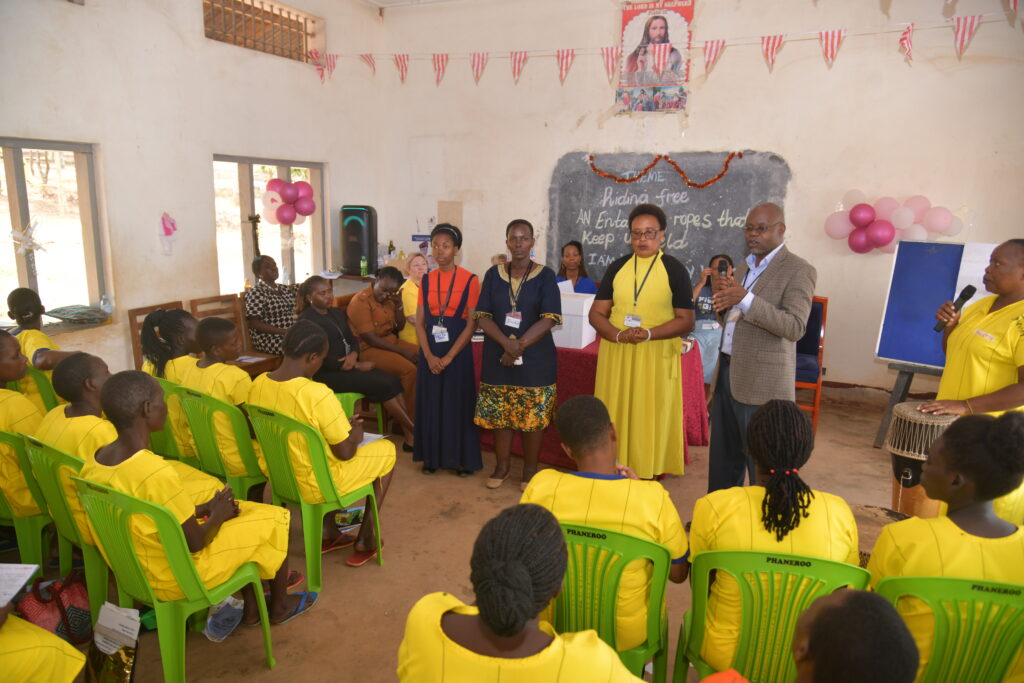
The Safe House for Women provides reentry support for women being released from prison. Their work includes orientation, transportation services, provision of basic needs, counseling services, family reunification, skill development, and guidance surrounding attaining employment. They also organize a Formerly Incarcerated Women Association. This is an umbrella organization with 42 members that convenes monthly for women to provide one another with sisterly psycho-social support in re-entering the community.
Formerly Incarcerated Women’s Association at Wells of Hope Safe House for Women